
EatingWell Special Edition – Eating for the Mediterranean Diet 2026
Summary
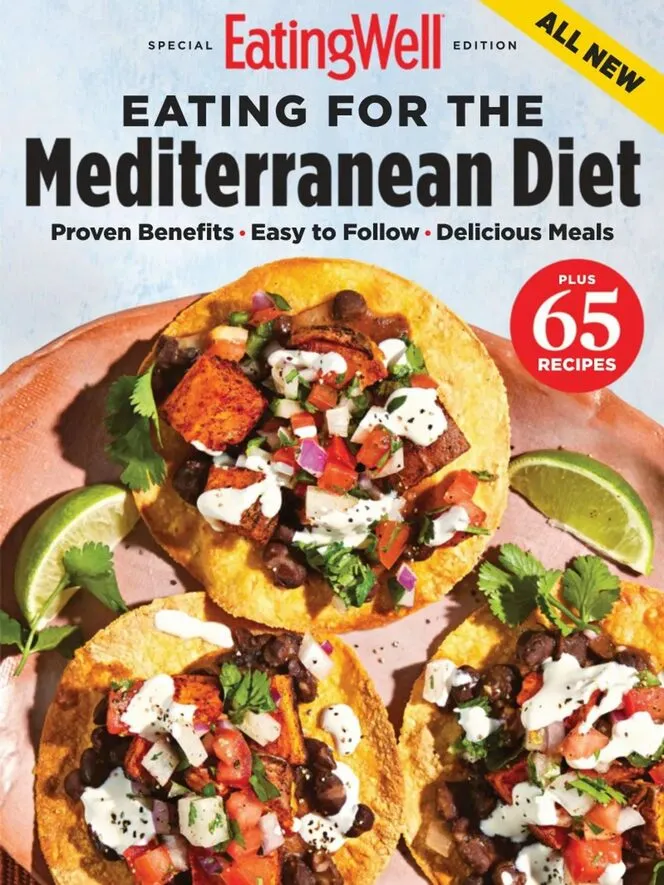
"Eating for the Mediterranean Diet: Proven Benefits, Easy to Follow, Delicious Meals" is a 96-page EatingWell special edition from 2026 that covers living longer and healthier, brain support, cholesterol benefits, seasonal eating, and 65 recipes plus a 5-day meal plan. The edition emphasises that the Mediterranean diet is flexible, sustainable, and does not require strict rules.
The guide is divided into two chapters: Reaping the Benefits (the science and food philosophy) and Recipes to Make (morning staples, snacks, soups, main dishes, vegetarian options, and a 5-day meal plan). Core principles include abundant vegetables and fruits, whole grains, legumes, nuts, olive oil as primary fat, moderate fish and seafood, moderate dairy, and limited red meat and sweets. The edition highlights that the diet reduces chronic disease risk, supports brain function, and promotes longevity without restrictive calorie counting.
Key features include "A Path for Everyone" (explaining that the diet works for omnivores, vegetarians, and flexitarians), "Season by Season: The Foods to Stock," and "Yes, You Can Do the Diet Without Fish" (addressing a common concern). The 5-day meal plan provides a practical entry point for beginners.
—————
Content Guide
▸ Benefits / Longevity
p.8 · Living Longer and Healthier
The Mediterranean diet is associated with a 25-30 percent reduction in cardiovascular disease risk and overall mortality in landmark studies including PREDIMED. Key mechanisms: anti-inflammatory effects of olive oil polyphenols; fibre from vegetables, fruits, and whole grains; omega-3s from fish; and antioxidants from colourful plant foods. The benefit comes from the overall pattern, not individual "superfoods."
▸ Brain Health
p.14 · Brain Support
The MIND diet — a hybrid of Mediterranean and DASH diets — is associated with slower cognitive decline equivalent to 7.5 years of younger brain age. Key brain-supporting foods: leafy greens (kale, spinach), berries (blueberries, strawberries), nuts (walnuts), whole grains, fish, and olive oil. Limit red meat, butter, cheese, pastries, and fried foods.
▸ Heart Health
p.18 · The Cholesterol Benefits
The Mediterranean diet improves cholesterol profiles: lowers LDL (bad) cholesterol, raises HDL (good) cholesterol, and reduces triglycerides. The effect comes from replacing saturated fats with monounsaturated fats (olive oil, nuts, avocado) and polyunsaturated fats (fish, seeds). Soluble fibre from oats, barley, and legumes also binds cholesterol for excretion.
▸ Seasonal Eating
p.22 · Season by Season: The Foods to Stock
A seasonal guide to Mediterranean eating: spring (asparagus, peas, artichokes, strawberries), summer (tomatoes, eggplant, zucchini, peaches, basil), autumn (pumpkin, mushrooms, apples, figs, grapes), winter (citrus, kale, cauliflower, leeks, root vegetables). Eating seasonally ensures maximum nutrient density, better flavour, and lower cost.
▸ Fish-Free Option
p.32 · Yes, You Can Do the Diet Without Fish
Mediterranean diet adapted for vegetarians or those who avoid fish: replace fish with legumes, tofu, tempeh, eggs, and dairy. Omega-3s from flaxseeds, chia seeds, walnuts, and algae oil supplements. The diet remains heart-healthy without seafood when plant-based alternatives are emphasised.
▸ Recipes / Breakfast
p.36 · Morning Staples
10 Mediterranean breakfast recipes: Greek yogurt with honey and walnuts; avocado and tomato on whole grain toast; shakshuka (eggs poached in tomato sauce); olive oil and za'atar flatbread; overnight oats with figs and almonds; and feta and spinach omelette. Each breakfast includes protein and healthy fats for sustained energy.
▸ Recipes / 5-Day Meal Plan
p.88 · 5-Day Meal Plan
A 5-day introductory meal plan providing approximately 1,800 calories daily: includes breakfast, lunch, dinner, and two snacks. Sample day: Greek yogurt with berries (breakfast), lentil and vegetable soup with whole grain bread (lunch), grilled salmon with roasted vegetables and quinoa (dinner), with almonds and an apple as snacks.
▸ Recipes / Vegetarian
p.78 · Vegetarian Mediterranean Mains
Seven vegetarian Mediterranean mains: eggplant parmigiana, mushroom and spinach risotto, chickpea and vegetable tagine, lentil bolognese, roasted vegetable and halloumi skewers, white bean and rosemary stew, and spinach and ricotta wholemeal pasta bake.
—————
Editor's Take
This EatingWell special edition delivers exactly what it promises: an accessible, practical introduction to Mediterranean eating. The science section is concise but accurate — the PREDIMED trial reference and MIND diet brain age data give it credibility. The seasonal eating guide is a genuinely useful framework that most Mediterranean diet coverage misses. The 5-day meal plan is practical and achievable for beginners. The 65 recipes are well-tested and photographed. Weaknesses: the edition acknowledges it "republishes previously published content" — regular EatingWell subscribers may recognise recipes. The fish-free adaptation is only 4 pages and could have gone deeper. At 96 pages, it's a solid primer but not comprehensive for experienced Mediterranean diet followers.
Strengths
• Seasonal eating guide provides a practical year-round framework
• MIND diet brain-age data (7.5 years slower cognitive decline) is compelling and specific
• 5-day meal plan makes the diet immediately actionable for beginners
Weaknesses
• Republishes previously published content — no new journalism
• Fish-free adaptation is too brief to fully address the topic
Verdict: Recommended — The best entry-level Mediterranean diet guide available; experienced followers can skip.
