
History Extra Collection – Story of the Normans 2026
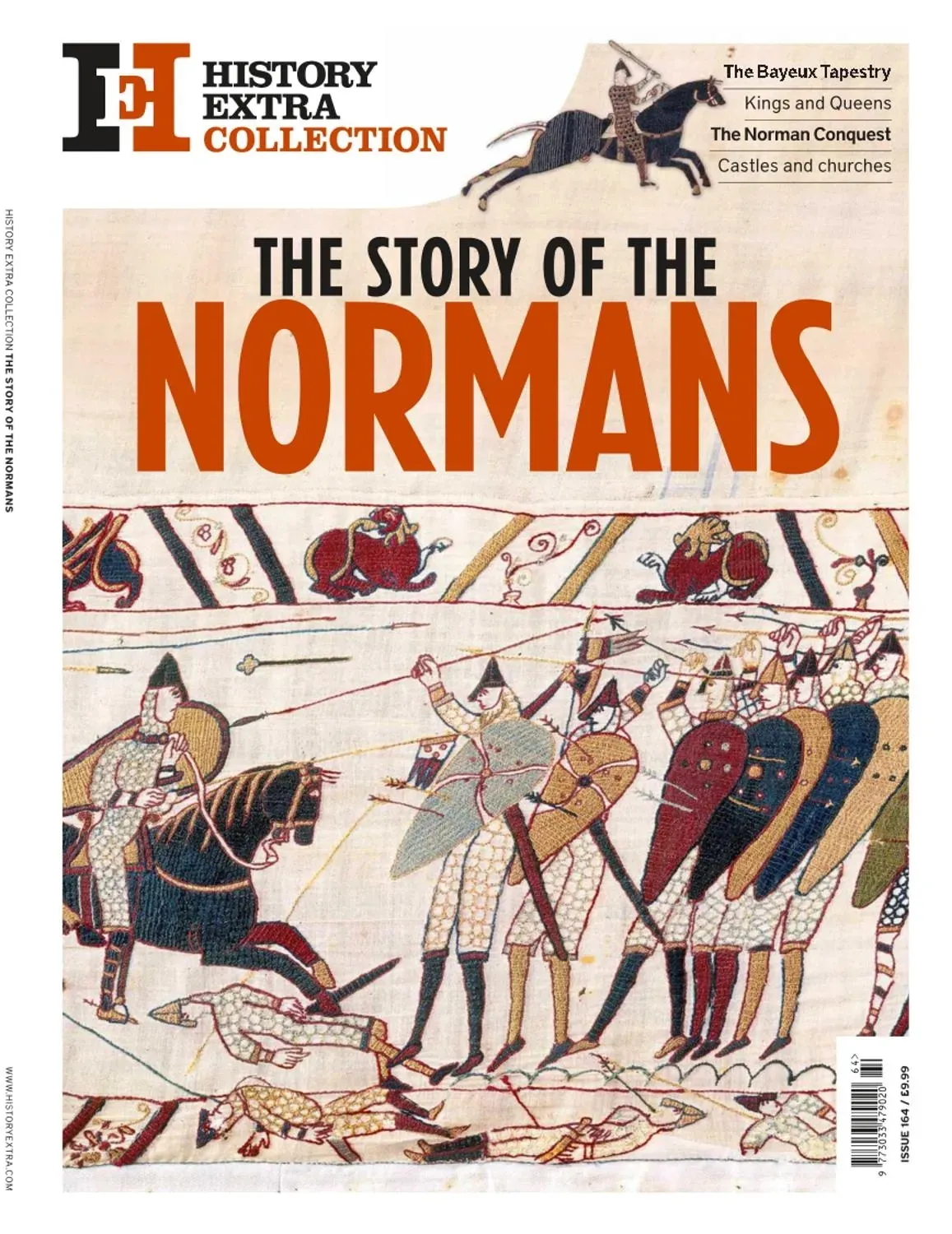
Summary
The Bayeux Tapestry records William the Conqueror's victory at Hastings in 1066 but the Normans' story spans two centuries of conquest from the shores of northern France across England into Scotland Wales and the Mediterranean. History Extra Collection The Story of the Normans 2026 assembles medieval historians to trace their rise and lasting impact.
Marc Morris traces key moments in the transformation of the Normans through a dedicated timeline. Alex Burghart asks Who Were the Normans and Judith A Green covers the Normans as Masters of Europe. Leonie Hicks examines female power behind the thrones profiling four Norman women who made their mark on Europe. The Conquest section covers England before 1066 the three battles that lost England and a Bayeux Tapestry analysis by Gale R Owen-Crocker. Ten historians share their thoughts on the tapestry's historic 10-month loan to the UK. Nicholas Vincent examines William the Conqueror as hero or villain and The Forgotten Realm covers how the Kingdom of Cumbria resisted Norman domination. The Impact of Invasion section features Marc Morris on Castles of the Conqueror Norman churches and Stephen Church on Building a New England. Stephen Baxter covers the Domesday Book.
—————
Content Guide
▸ The Normans
p.06 · Meet the Normans
Opening chapter introducing the Viking descendants who became Europe's most formidable warriors. The article traces their origins from Rollo the Viking granted land in 911 AD. The specific territories they conquered are mapped.
p.12 · Who Were the Normans
Alex Burghart examines the identity of this hybrid people. The article discusses how Norse settlers merged with Frankish culture and adopted Christianity. The word Norman itself is traced to Northman.
p.18 · Masters of Europe
Judith A Green charts the Norman expansion across the continent. The article names the key leaders who led campaigns in England Sicily and the Holy Land. The Norman administrative system that made their rule effective is explained.
p.26 · Female Power Behind the Thrones
Leonie Hicks profiles four Norman women who exercised significant political influence. The article identifies Matilda of Flanders Adelaide of Sicily and others. Their methods of wielding power through patronage and regency are documented.
▸ The Conquest
p.36 · England Before 1066
Ryan Lavelle sets the stage for the Norman invasion. The article describes Anglo-Saxon England under Edward the Confessor. The competing claims to the throne after Edward's death are laid out.
p.42 · Three Battles That Lost England
Frank McLynn identifies the three key engagements that decided the fate of England in 1066. The article covers Fulford Gate Stamford Bridge and Hastings. The sequence of events across September and October 1066 is timed to the day.
p.50 · Bayeux Unravelled
Gale R Owen-Crocker leads a forensic analysis of the embroidery's content. The specific scenes depicting Harold's oath the comet and the battle itself are decoded. The tapestry's accuracy as a historical source is assessed.
p.64 · William the Conqueror Hero or Villain
Nicholas Vincent weighs both sides of William's contested reputation. The article contrasts his administrative achievements with the Harrying of the North. The specific areas devastated in 1069-70 are named.
▸ Impact of Invasion
p.72 · The Forgotten Realm
How the Kingdom of Cumbria resisted Norman domination is examined. The article identifies the specific strongholds that held out longest. The survival of British culture in the region is traced.
p.78 · Castles of the Conqueror
Marc Morris examines how William used castles to subdue his new subjects. The article names the key motte-and-bailey fortifications built after 1066. The Tower of London is identified as William's most famous castle.
p.102 · Domesday Book
Stephen Baxter on the great survey of 1086 that recorded land ownership across England. The article explains why William commissioned it and how the data was collected. The specific categories of landholders and their obligations are documented.
p.116 · The Empress Fights for the Throne
David Crouch recounts Matilda's struggle for the English crown during the Anarchy. The article identifies her key supporters and opponents. The civil war's cost in lives and property is quantified.
—————
Editor's Take
The Story of the Normans is the strongest of the History Extra Collection volumes in this batch. The contributor list reads as a who's who of medieval scholarship and the Bayeux Tapestry analysis by Owen-Crocker is genuinely authoritative. The female power article offers a needed corrective to the male-dominated narrative. The weakest element is the Domesday Book piece which is too brief for such a complex subject. This title suits the medieval history reader at any level.
Strengths
• Top-tier medieval historian contributors throughout
• Bayeux Tapestry analysis by the field's leading expert
• Female power chapter adds necessary breadth to the Norman story
Weaknesses
• Domesday Book section compressed into too few pages
• No dedicated chapter on Norman Sicily or the Mediterranean
Verdict: Essential — the best single-volume Norman history in the series.
