
Classic Pop Presents – Depeche Mode 2026
Summary
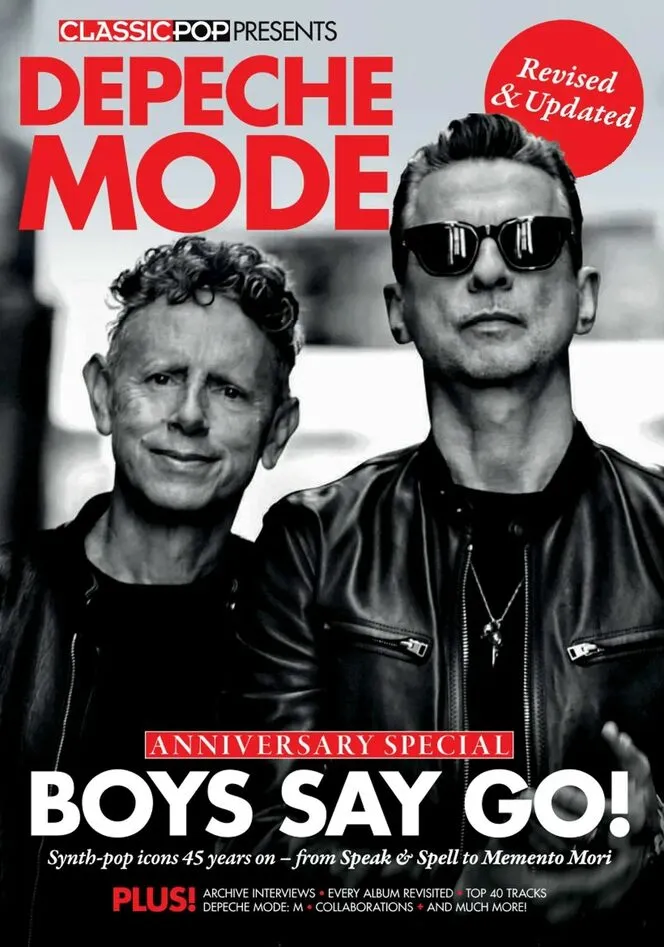
Depeche Mode's 45-year journey from Basildon teenagers to global electronic-pop architects gets the full-documentary treatment in Classic Pop Presents: Depeche Mode 2026 — from Speak & Spell through Memento Mori, with Mute Records founder Daniel Miller in conversation.
Classic Pop Presents: Depeche Mode 2026 tracks every studio album in chronological order, beginning with Transition To Another Place (the making of Speak & Spell) and A Broken Frame (Martin Gore taking the lead after Vince Clarke's departure). Daniel Miller gives a candid archive interview about signing the band and the culture of Mute. Glitter In The Gloom covers the Black Celebration era. Music For The Masses, Violator and Songs Of Faith And Devotion each get dedicated chapters, including the stadium conquest of the 101 concert film. Ultra documents the band rebuilding after Alan Wilder's exit. Playing The Angel leads into the final chapters. Pop Art examines the iconic Peter Saville-influenced sleeve design. A full Top 40 Tracks rundown closes the special, alongside a tribute to Andy Fletcher and a look at Memento Mori.
—————
Content Guide
Albums / Features
p.6 · Transition To Another Place
The making of Speak & Spell: Vince Clarke's pop instincts, Dave Gahan's first vocal sessions, and the Basildon rehearsal room where it all started. The lesson: a debut album recorded on a small budget can redefine a genre.
p.14 · A Broken Frame
Martin Gore stepped up as chief songwriter after Clarke's exit. The feature tracks how the band's sound darkened immediately, with songs like Leave In Silence pointing toward the melancholic future. Listen for the shift in lyric subject matter — relationships replace synths as the main event.
p.30 · Glitter In The Gloom
Black Celebration (1986) marked Depeche Mode's turn toward gothic atmospherics. The article links the industrial production of Berlin sessions to the band's growing confidence in the studio. Stripped and A Question Of Time are the key tracks to replay after reading.
p.46 · Music For The Masses
The 1987 album that filled stadiums rather than clubs. The piece traces the band's calculated push into the US market — including the 101 concert at the Rose Bowl — without compromising their sound.
p.52 · Violator
Personal Jesus, Enjoy The Silence, Policy Of Truth: three singles from one album. The feature dissects the production that turned electronic music into arena-ready pop. Every producer reading should study the Enjoy The Silence bassline programming.
p.62 · Songs Of Faith And Devotion
The chaotic 1993 album recorded in Madrid and Hamburg, where the band nearly collapsed under the weight of heroin, ego and exhaustion. The article names the specific tensions that led to Alan Wilder's departure shortly after the tour.
p.68 · Ultra
The 1997 comeback recorded in New York and London, with Tim Simenon producing and Dave Gahan clean after his overdose. The feature details how the band rebuilt trust in the studio.
Interview: Daniel Miller
The Mute Records founder discusses signing Depeche Mode in 1981, the label's artist-first philosophy, and his reaction to Vince Clarke's departure. Miller's business model — never interfere with the creative process — is a founding document for indie label ethics.
Pop Art
An illustrated feature on Depeche Mode's sleeve design, from the Speak & Spell geometric patterns through Anton Corbijn's photography. The Corbijn image for Violator's rose is unpacked frame by frame.
Top 40 Tracks
A ranked list of Depeche Mode's 40 best songs, with chart positions, B-sides and collector notes. Fans will argue about the omissions for years, which is exactly what a top 40 list should do.
—————
Editor's Take
This special accomplishes what a good band retrospective should: it is organised enough for newcomers to follow the career arc and deep enough for collectors to find new details. The Daniel Miller interview is the strongest piece — his perspective as the label founder who watched the band grow from a curiosity to a stadium act gives the feature a business dimension most fan magazines lack. The album-by-album structure means no era is rushed, and the Ultra chapter is particularly honest about how close the band came to ending. Weaknesses: the Violator chapter does not add much beyond what the band's own DVD documentaries already covered. The Top 40 Tracks entry appears truncated in the source, and the entries beyond the top 10 feel like they were capped by word count rather than editorial judgment. A few sections have missing page numbers in the contents listing, which suggests the production run may have been tighter than ideal.
Strengths
• Daniel Miller interview adds genuine industry context
• Album-by-album chronology gives each era equal weight
• Ultra and Songs Of Faith chapters are unflinching about the low points
Weaknesses
• Violator chapter covers ground already well-documented elsewhere
• Top 40 Tracks listing feels cut short in the lower ranks
Verdict: Essential — The most complete single-volume Depeche Mode retrospective available; buy this if you own any album after Speak & Spell.
